17 Most Effective BJJ Submissions: Statistics & Success Rates
Master the highest percentage Brazilian jiu-jitsu submissions backed by competition data. From the rear naked choke (45% of IBJJF wins) to advanced techniques, learn the submissions that actually work at elite levels.
Mastering Brazilian Jiu-Jitsu submissions is critical to grappler success. Submissions mean instant victory and unmatched satisfaction on the mats. But not all submission techniques are created equal—competition data reveals which techniques truly work at elite levels.
This comprehensive guide explores the 17 most effective BJJ submissions, backed by statistics from IBJJF World Championships, ADCC, UFC, and professional grappling data spanning 2024-2025. You’ll learn success rates, optimal positions, and strategic applications for each technique.
Data-Driven Approach: All statistics come from analyzing 7,567+ submissions across elite-level competitions including IBJJF Worlds 2023-2024, ADCC 2024, UFC 2024, and professional no-gi events. This isn’t speculation—these are proven success rates from the highest levels of competition.
Understanding BJJ Submission Statistics: What The Data Reveals
Recent analysis of professional grappling reveals fascinating insights about which submissions actually work when facing elite-level opponents. The data shows that five core submissions—armbar, rear naked choke, triangle choke, guillotine, and kimura—collectively account for over 56% of all finishes in competition.
Key Insights from Competition Data (2024-2025)
- Chokes Dominate: 65% of ADCC 2024 submissions were chokes, with only 20% from arm attacks
- Position Matters: Back control submissions have a 78% finish rate when fully locked
- Gi vs No-Gi Differences: Collar chokes excel in gi (75% success rate) while heel hooks thrive in no-gi (8% of all finishes)
- Experience Gap: Advanced practitioners finish armbars at 75% vs 55% for beginners
- UFC Reality Check: 16% of UFC fights ended in submission in 2024, with RNC accounting for 34% of those finishes
Understanding these statistics helps you prioritize which submissions deserve the most training time. Let’s explore each high-percentage technique in detail.
The 17 Most Effective BJJ Submissions (Ranked by Data)
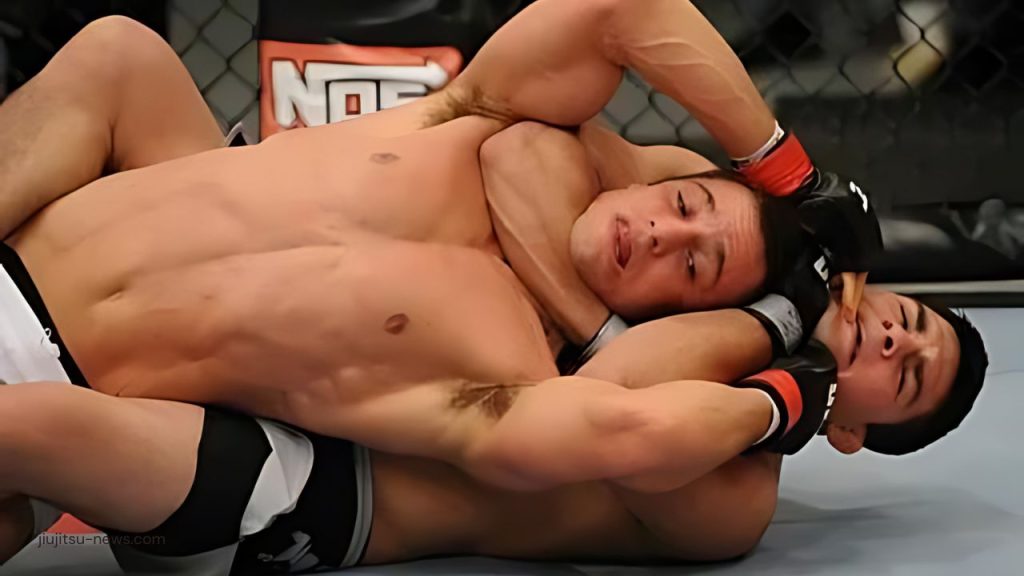 45% IBJJF Success Rate
42% Overall Finish Rate
45% IBJJF Success Rate
42% Overall Finish Rate
1. Rear Naked Choke (RNC) – The King of Submissions
Competition Statistics (2024-2025):
- 45% of all submissions at 2023 IBJJF World Championships
- 42% success rate across elite competitions (56/132 attempts)
- 34% of UFC submission victories in 2024 (28 out of 83 total)
- 49.6% of all choke finishes in UFC history (539 of 1,086)
- 78% finish rate when back control is fully secured
- 25% of ADCC 2024 finishes
The rear naked choke indisputably holds the crown as the most successful submission in Brazilian jiu-jitsu and MMA. This blood choke applies pressure to both carotid arteries, causing rapid unconsciousness within 8-13 seconds when properly applied.
The RNC’s dominance stems from its availability from back control—widely considered the most dominant position in grappling. Once an elite practitioner secures back control with hooks and seatbelt control, finishing the RNC becomes highly likely.
How to Execute the Rear Naked Choke
- Secure back control with seatbelt grip and both hooks in
- Win the hand fight to clear your opponent’s defensive frames
- Slide your choking arm under the opponent’s chin, targeting the neck
- Lock your hands with your free arm behind their head
- Apply pressure by squeezing your elbows together while pushing the head forward
Pro Tip: The RNC doesn’t require being “under the chin”—proper choking leverage against the sides of the neck with an expert squeeze can finish even when the opponent’s chin is tucked. Top finishers like Demian Maia (9 RNC finishes in UFC) and Charles Oliveira demonstrate this principle consistently.
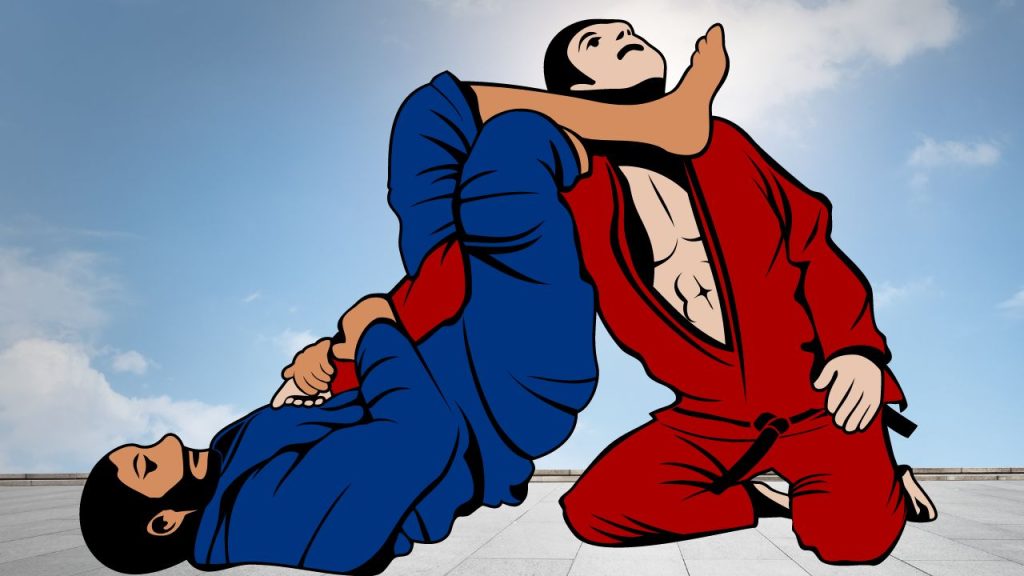 50% Success Rate
19.5% of All Submissions
50% Success Rate
19.5% of All Submissions
2. Armbar – The Most Versatile Joint Lock
Competition Statistics (2024-2025):
- 19.5% of all submission attempts (most attempted technique)
- 50% success rate in measurable sample (68/137 attempts)
- 21% of IBJJF Worlds 2023 submissions
- 20% of ADCC 2024 finishes
- 10% of UFC 2024 submission victories (8 out of 83 total)
- Success rate varies by skill: 55% (beginner), 65% (intermediate), 75% (advanced)
- 69.1% performed in gi vs 30.9% no-gi
The armbar stands as the most frequently attempted submission in Brazilian jiu-jitsu, and for good reason—it’s available from virtually every position including guard, mount, side control, and back control. This joint lock hyperextends the opponent’s elbow by controlling the arm between your legs while using your hips as a fulcrum.
What makes the armbar exceptional is its versatility and multiple entry options. Failed armbars naturally transition to triangles, omoplatas, or sweeps, making it a low-risk, high-reward attacking option.
Key Success Factors for Armbars
- Angle Control: Positioning your body perpendicular to your opponent’s torso creates optimal leverage
- Hip Pressure: Driving hips up while pulling the wrist down generates breaking force on the elbow
- Leg Position: Squeezing knees together prevents opponent rotation and escape
- Wrist Control: Securing the wrist with both hands before extending prevents last-second pulls
Data shows armbar success rates are highly position-dependent. From mount, the success rate reaches approximately 50%, while from guard it drops to around 30% due to easier defensive positioning for the opponent.
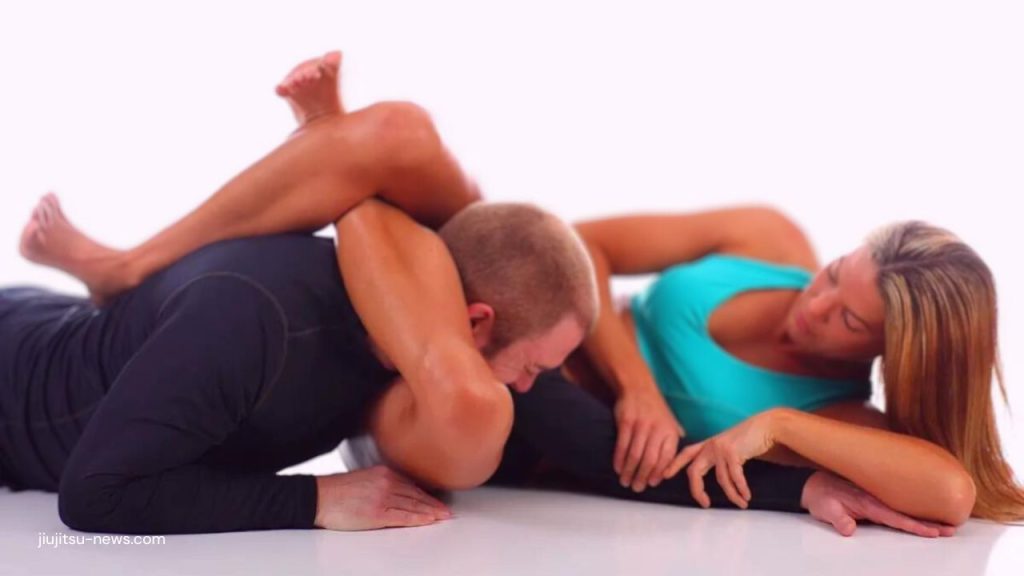 38% Success Rate
9.5% of All Submissions
38% Success Rate
9.5% of All Submissions
3. Triangle Choke – The Guard Player’s Weapon
Competition Statistics (2024-2025):
- 9.5% of all submission attempts
- 38% overall success rate (38/100 attempts)
- 28 out of 45 triangle attempts succeeded at IBJJF Worlds 2019
- 7 out of 25 successful in 2022 No-Gi competitions
- 3 out of 16 successful at ADCC 2022
- Side triangle variation: 40% success rate (2/5 at ADCC 2022)
- 4% of UFC 2024 submission finishes (3 out of 83 total)
The triangle choke is one of the most iconic submissions in Brazilian jiu-jitsu, representing the art’s principle of using technique and leverage to overcome size disadvantages. This blood choke uses your legs to form a triangle around the opponent’s neck while trapping one of their arms inside.
The triangle’s genius lies in using the opponent’s own trapped shoulder to apply additional pressure against their carotid artery. Combined with your squeezing legs, this creates a powerful stranglehold that forces a tap within seconds.
Optimal Triangle Setups
- From Closed Guard: Break posture, control an arm across, pivot hip out, throw leg over shoulder
- From Side Control: Frame and create space, establish leg position, lock triangle
- From Mount: Opponent frames to escape, trap the arm, slide knee up, transition to triangle
Competition data reveals a significant gi vs no-gi difference. At IBJJF Worlds 2019 (gi), triangles succeeded at a 62% rate (28/45), while no-gi success drops to approximately 28% (7/25), likely due to increased slipperiness making the lock harder to maintain.
4. Cross Collar Choke – The Highest Percentage Gi Submission
Competition Statistics (2024-2025):
- 75.76% success rate (75/99 attempts)—highest of all submissions studied
- 3.75% of total submission attempts (284 in sample)
- Accounts for 12.4% of gi submissions (1,148 finishes)
- Particularly effective from mount and back control
- Rarely seen in no-gi (requires lapel grips)
Cross collar chokes reign supreme as the highest percentage submission in gi jiu-jitsu competitions. This family of techniques uses the opponent’s own gi lapels as a weapon, creating devastating blood chokes that are extremely difficult to defend once properly set.
The remarkable 76% success rate stems from the mechanical advantage of using stiff gi fabric. Unlike no-gi chokes that can slip, collar grips lock firmly in place, allowing sustained pressure that forces a tap or causes unconsciousness.
Most Common Collar Choke Variations
- Cross Collar from Guard: Classic white belt technique, four fingers inside both collars, pull elbows apart
- Bow and Arrow: 89% success rate (17/19 at IBJJF Worlds 2019)—one of the highest percentage techniques
- Loop Choke: Sneaky option from top or bottom, uses opponent’s forward pressure against them
- Baseball Bat Choke: Powerful from knee-on-belly or side control, hands positioned like baseball bat grip
Since cross collar chokes are typically one of the first submissions white belts learn, their familiarity combined with mechanical effectiveness makes them valuable throughout all belt levels. Brown and black belts simply set them up more cunningly.
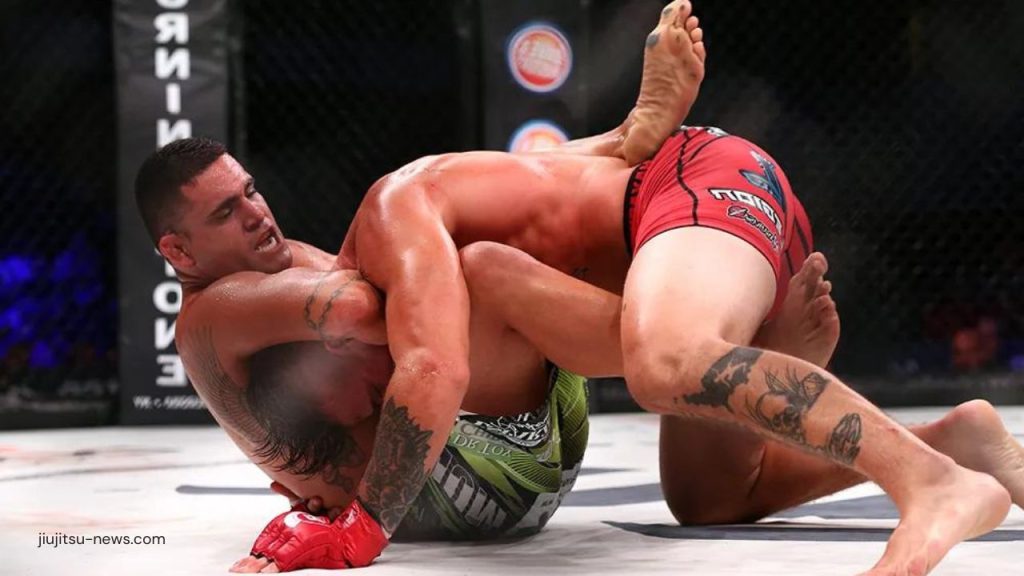 9.5% Success Rate
6.6% of All Submissions
9.5% Success Rate
6.6% of All Submissions
5. Guillotine Choke – High Risk, High Reward
Competition Statistics (2024-2025):
- 6.59% of all submission attempts (499 in sample)
- Only 9.52% success rate in BJJ (10/105 attempts)—lowest among major submissions
- 17% of UFC submission victories (second most popular in MMA)
- 14.5% of UFC 2024 submissions (12 out of 83 total)
- 13% success rate in UFC 2024 according to statistical analysis
- 73.2% performed no-gi vs 26.8% gi
- Arm-in variation: approximately 10% success rate
The guillotine presents a fascinating paradox in submission statistics. Despite having the lowest success rate among major BJJ techniques (9.5%), it remains the second most common submission finish in UFC and is widely attempted across all skill levels.
This discrepancy reveals an important truth: the guillotine is easy to attempt but difficult to finish against trained opponents. Many practitioners jump for guillotines opportunistically, sacrificing top position for a low-percentage finish attempt. However, when executed correctly by specialists like Dustin Poirier (10 UFC guillotine victories), it remains devastating.
Why Guillotines Fail (And How to Fix It)
- Poor Bite: Shallow grip under chin rather than deep under the neck—focus on penetrating to the opposite armpit
- Insufficient Hip Pressure: Jumping guard without proper angle or squeeze—maintain closed guard or shin across stomach
- Arm Position Issues: Arm-in guillotines have only 10% success rate—master standard version first
- Premature Attempts: Attacking before achieving proper control—wait for optimal setup rather than forcing
Data shows guillotine success rates drop dramatically in recent years. Attempt rates decreased from 0.6 attempts per 15 minutes in early UFC to approximately 0.2 in 2024, suggesting improved defensive knowledge across the sport.
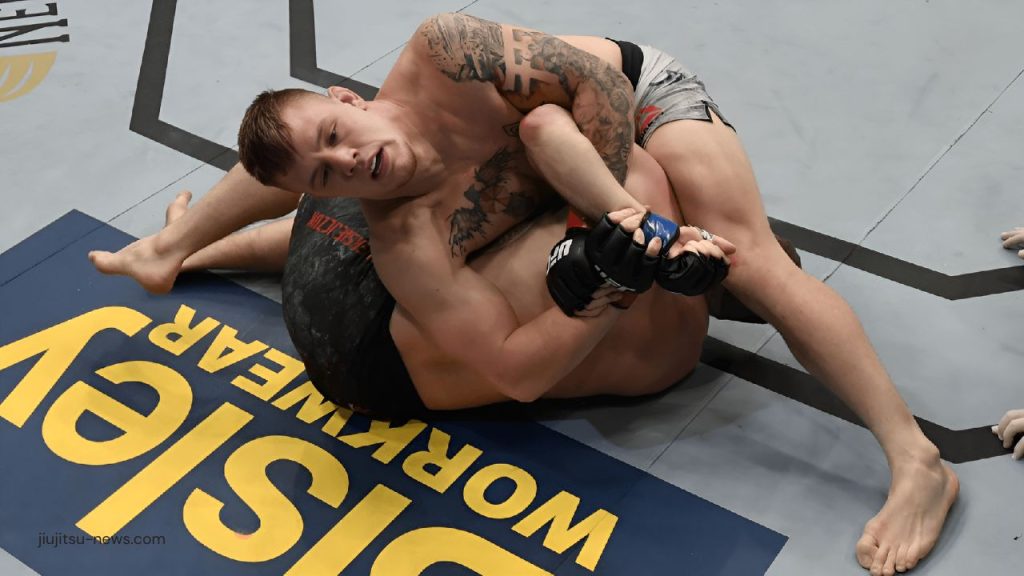 Success Rate Varies
6% of All Submissions
Success Rate Varies
6% of All Submissions
6. Kimura Lock – The Shoulder Lock Control System
Competition Statistics (2024-2025):
- 6% of all submission attempts (fourth most attempted)
- Success probability: 55% (beginner), 75% (intermediate), 85% (advanced)
- 13 finishes with 32 failures in 2023 no-gi competitions
- 1 in 6 success rate at ADCC 2022
- 1 in 20 success rate in no-gi competitions 2022
- Often used as control and sweep mechanism rather than pure submission
The Kimura (figure-four shoulder lock) represents one of jiu-jitsu’s most versatile techniques. While its pure submission success rate varies widely, its real value lies in the control and positional advancement opportunities it creates. Top-level grapplers use the Kimura grip as a system rather than a single submission.
Named after judoka Masahiko Kimura (who famously used it to defeat Helio Gracie in 1951), this shoulder lock hyperrotates the opponent’s shoulder joint through a figure-four grip on their wrist and elbow. The technique works from numerous positions including side control, guard, half guard, and turtle.
The Kimura as a System
- From Guard: Break posture, establish figure-four, sweep if they resist, submit if they accept
- From Side Control: Isolate near arm, establish grip, take back or finish depending on defense
- From Half Guard: Underhook counter, figure-four lock, sweep to mount or take back
- Standing: Counter overhooks or poor takedown attempts, finish standing or take to ground
Advanced practitioners rarely finish Kimuras at elite levels not because the technique is ineffective, but because opponents defend well and the Kimura grip offers superior alternatives. Many sweeps, back takes, and transitions become available from the Kimura position, often more valuable than forcing a low-percentage finish attempt.
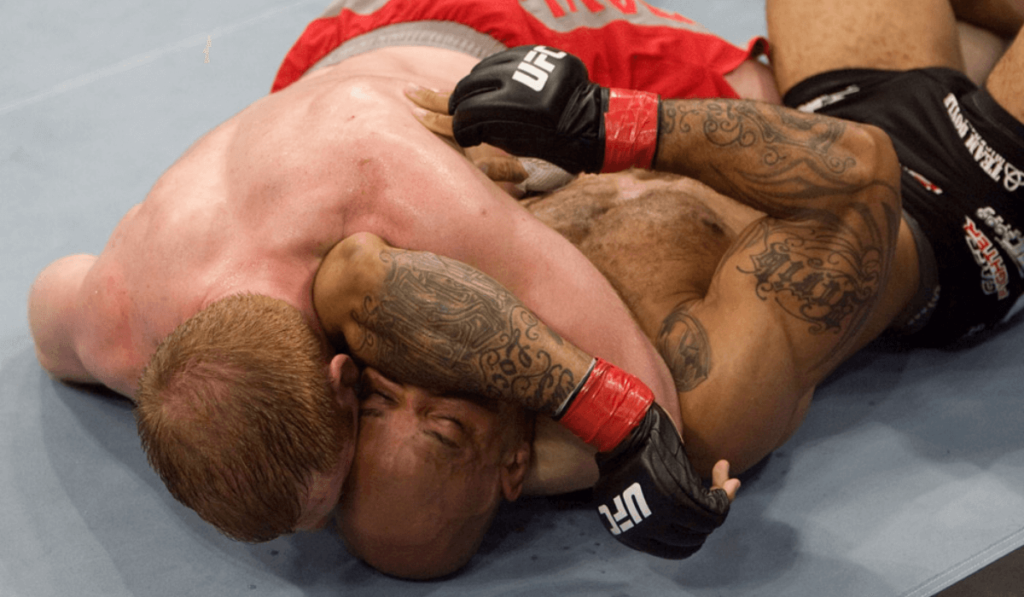 22% Success Rate
3.24% of Submissions
22% Success Rate
3.24% of Submissions
7. Arm Triangle Choke – The Top Position Specialist
Competition Statistics (2024-2025):
- 3.24% of all submissions (245 in sample)
- 21.74% success rate (5/23 attempts in measurable sample)
- 19% of UFC 2024 submissions (16 out of 83 total)—second highest in MMA
- 92 total UFC submission victories since 2015 (4th most successful)
- Particularly effective from side control and mount
- Works in both gi and no-gi equally well
The arm triangle (kata gatame) is a devastating blood choke that traps the opponent’s own shoulder against their neck while you apply pressure from the side. Unlike techniques requiring hooks or grips, the arm triangle works identically in gi and no-gi, making it a staple for MMA fighters and no-gi specialists.
This submission gained legendary status when Brock Lesnar submitted Shane Carwin at UFC 116, demonstrating that the technique works even at the highest levels of professional fighting. More recent stars like Alexandre Pantoja regularly finish with arm triangles in the UFC flyweight division.
Executing the Arm Triangle
- From side control, drive opponent’s far arm across their body using head pressure
- Slide your choking arm around their neck, palm down on the mat
- Lock your hands together (various grip options available)
- Switch your head to the opposite side of their trapped arm
- Walk your body toward their head to tighten the angle
- Squeeze your shoulder toward their neck while driving chest pressure down
The arm triangle’s 19% success rate in UFC (second only to RNC at 34%) demonstrates its effectiveness in MMA where positions are less stable. The technique doesn’t require perfect positional control—once locked, opponents struggle to escape even with strikes and scrambles.
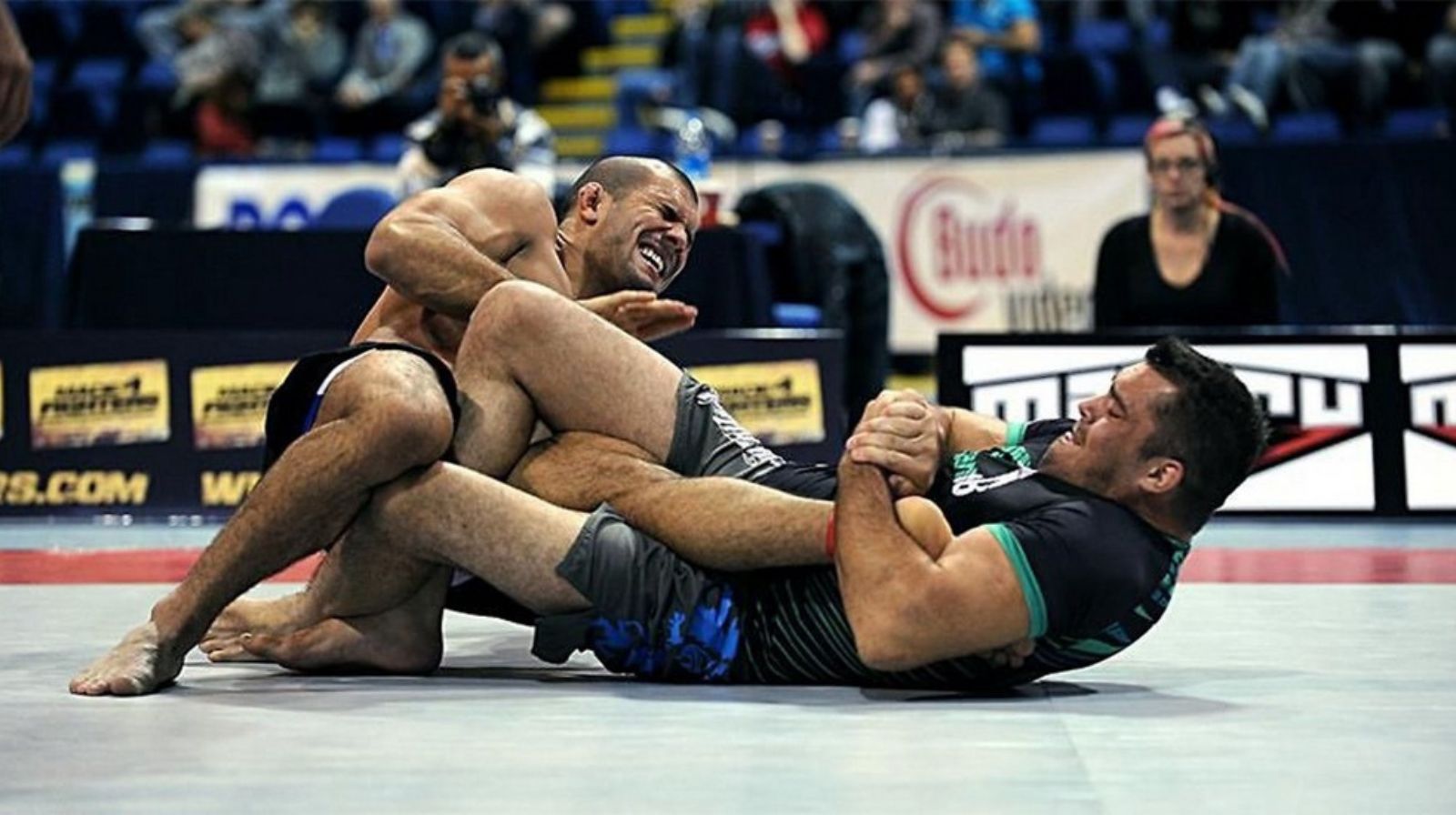 20% Success Rate
5.5% of Submissions
20% Success Rate
5.5% of Submissions
8. Heel Hook – The No-Gi Leg Lock King
Competition Statistics (2024-2025):
- 5.5% of all submissions (459 in sample: 144 inside, 120 outside, 173 unspecified)
- 20% overall success rate (38/190 attempts)
- Inside heel hook: 34.85% success rate (23/66 attempts)
- Outside heel hook: 14.08% success rate (10/71 attempts)
- 8% of all ADCC 2024 finishes (10% of submissions)
- Only 1% of UFC 2024 submissions (banned in most MMA)
- Illegal in gi competitions; legal only in advanced no-gi
Heel hooks represent the most dangerous and controversial submission family in Brazilian jiu-jitsu. These leg locks attack multiple joints simultaneously—ankle, knee, and sometimes hip—through rotational force applied to the heel. The technique’s danger comes from its ability to cause severe injury with little warning before the “breaking point.”
Modern leg lock systems pioneered by competitors like John Danaher’s Death Squad team (Gordon Ryan, Garry Tonon, Eddie Cummings) revolutionized no-gi grappling. The inside heel hook in particular became the submission of choice in ADCC and high-level no-gi, fundamentally changing how modern grapplers approach leg entanglements.
Inside vs Outside Heel Hook Success Rates
Competition data reveals a stark difference between inside and outside heel hooks:
- Inside Heel Hook: 34.85% success rate—attacks the knee’s ACL/LCL/MCL in addition to ankle
- Outside Heel Hook: 14.08% success rate—primarily ankle focus, easier to defend
The inside heel hook’s superior success rate stems from attacking the knee joint at an anatomically vulnerable angle. Slight rotation can tear ligaments before opponents feel pain, making it exceptionally dangerous for training partners and explaining strict IBJJF restrictions.
Safety Warning: Heel hooks should only be practiced under expert supervision with experienced training partners. The technique causes joint damage before pain signals, unlike most submissions. Many academies prohibit heel hooks below brown belt, and IBJJF bans them entirely in gi competition at all levels.
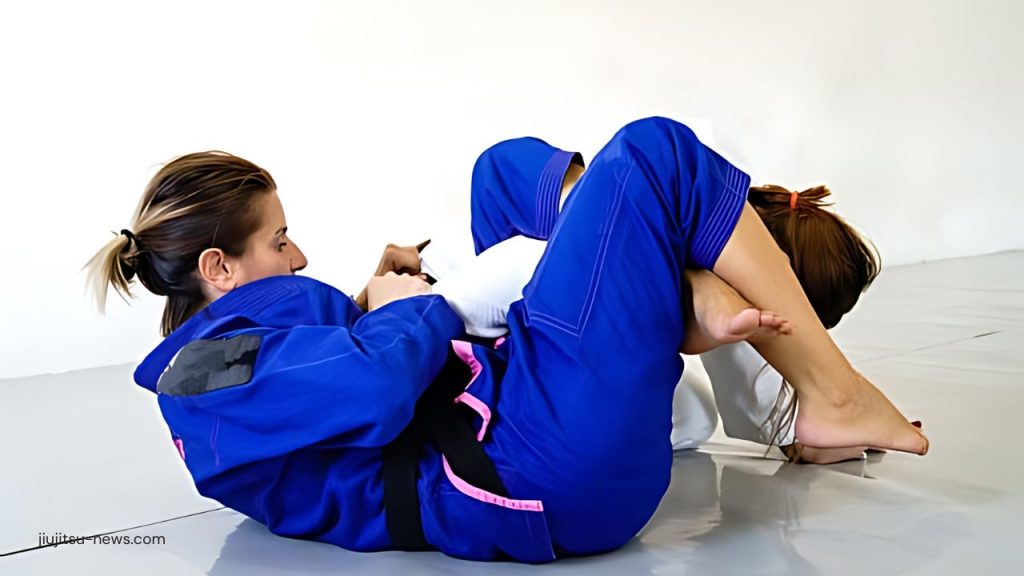 12% Success Rate
Gi Specialist Technique
12% Success Rate
Gi Specialist Technique
9. Omoplata – The Shoulder Lock Position System
Competition Statistics (2024-2025):
- 12.12% success rate (4/33 attempts)
- More commonly used for sweeps than submissions
- Particularly effective in gi competitions
- Often transitions to triangle, armbar, or back take
- Requires significant flexibility and control
The omoplata is a shoulder lock executed using your legs to isolate and hyperrotate the opponent’s shoulder joint. While competition statistics show a relatively low finishing rate (12%), this technique’s true value lies in the control position and transitional opportunities it creates—similar to the Kimura system.
High-level guard players use the omoplata primarily as a sweeping mechanism. When opponents defend the submission by rolling forward, they often give up their back or allow the attacker to come on top. This makes the omoplata a positional advancement tool rather than a pure submission.
The Omoplata System
- From Guard: Control opponent’s arm, pivot hip out, throw leg over their shoulder and back
- Finish Options: Sit up, control head, drive chest forward to hyperrotate shoulder
- Sweep Options: When opponent rolls forward, follow to take back or come on top
- Transitions: Failed omoplata often leads directly to triangle or armbar
In gi jiu-jitsu, the omoplata becomes more effective due to the ability to control the opponent’s sleeve and prevent hand posting. This explains why the technique appears more frequently in IBJJF competitions compared to no-gi events where it’s relatively rare.
 89% Success Rate
2.46% of Submissions
89% Success Rate
2.46% of Submissions
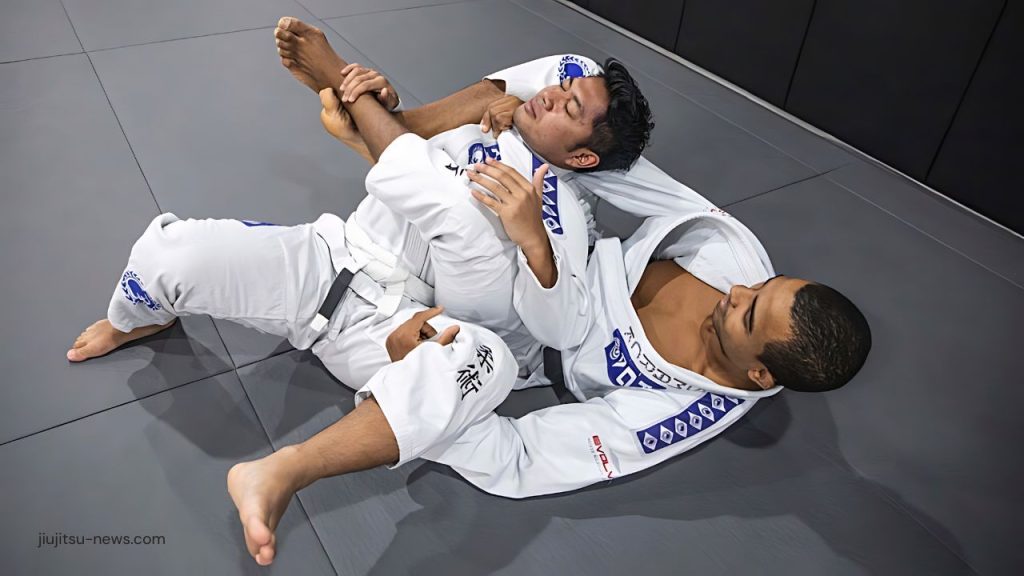
10. Bow and Arrow Choke – The Elite Gi Finisher
Competition Statistics (2024-2025):
- 89% success rate (17/19 attempts at IBJJF Worlds 2019)
- 2.46% of all submissions (186 in sample)
- Requires gi; not applicable in no-gi
- Primarily executed from back control
- One of the highest percentage techniques when properly set
The bow and arrow choke boasts one of the highest success rates of any submission in Brazilian jiu-jitsu—an impressive 89% at the 2019 IBJJF World Championships. This gi-specific technique uses the opponent’s own lapel and pant leg to create a devastating blood choke from back control.
The submission’s name comes from the finishing position, which resembles an archer pulling back a bow. You pull the collar choke with your arms while simultaneously pushing with your legs against the opponent’s far hip, creating enormous pressure that makes defending or escaping nearly impossible.
Setting Up the Bow and Arrow
- Secure back control with seatbelt grip
- Establish deep collar grip on the choking side (four fingers in)
- Thread your bottom leg across opponent’s hips to far side
- Grip opponent’s far pant leg with your free hand
- Pull collar with one arm while pushing their leg away with the other
- Extend your body, creating the “bow and arrow” position
The bow and arrow’s exceptional 89% success rate indicates that once properly positioned, the technique is nearly inescapable. This explains its popularity among high-level gi competitors, particularly brown and black belts who can reliably achieve back control and set the necessary grips.
 47% Success Rate
2.3% of Submissions
47% Success Rate
2.3% of Submissions
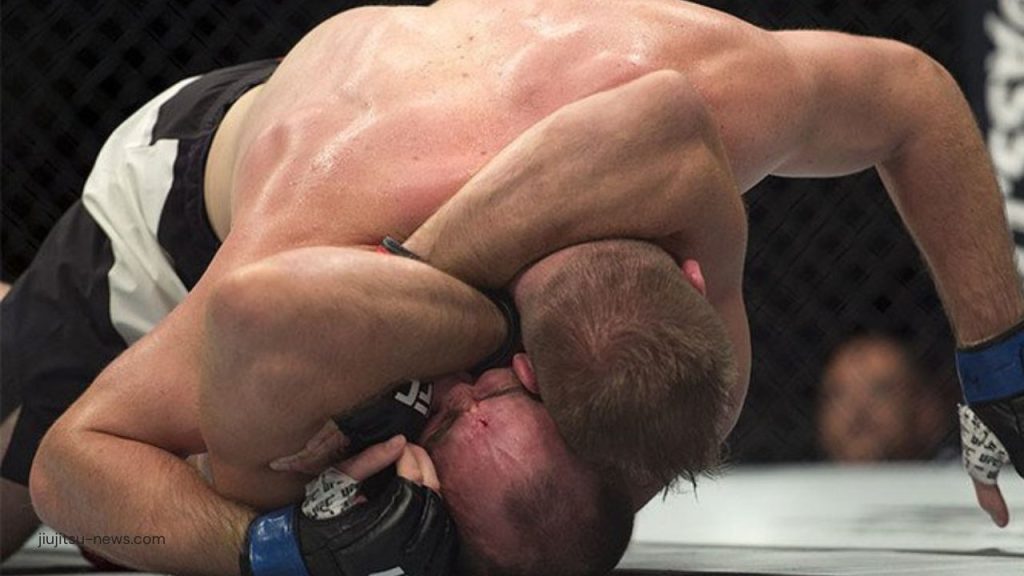
11. Ezekiel Choke – The Sneaky Mount Finish
Competition Statistics (2024-2025):
- 2.3% of all submissions (174 in sample)
- 47.37% success rate (9/19 attempts in measurable sample)
- Works in both gi and no-gi
- Most commonly executed from mount
- Can be applied from various top positions
The Ezekiel choke is a brutal yet effective submission that works in both gi and no-gi training. Named after Brazilian judoka Ezequiel Paraguassú who used it extensively in Brazilian jiu-jitsu competitions, this choke uses a combination of sleeve (or wrist in no-gi) and forearm to create a scissoring motion across the opponent’s trachea.
What makes the Ezekiel particularly effective is its availability from mount—a position where opponents typically don’t expect choke threats. While defending armbars and maintaining mount, practitioners can sneakily slide their arms into position for the Ezekiel without telegraphing the attack.
Ezekiel Choke Mechanics
The submission works through two complementary actions:
- In Gi: Blade of hand feeds under opponent’s neck, grab your own sleeve, pull elbow across their throat
- In No-Gi: Blade of hand under neck, cup back of their head with other hand, squeeze forearms together
The Ezekiel functions as both a blood choke (when applied to the sides of the neck) and an air choke (when crossing the trachea). This dual mechanism makes it difficult to defend, as blocking one choking path still leaves the other vulnerable.
Its 47% success rate positions the Ezekiel in the middle tier of submissions—not the highest percentage, but reliable enough when opportunities present themselves from mount or technical mount.
 Success Rate Varies
Opportunistic Technique
Success Rate Varies
Opportunistic Technique
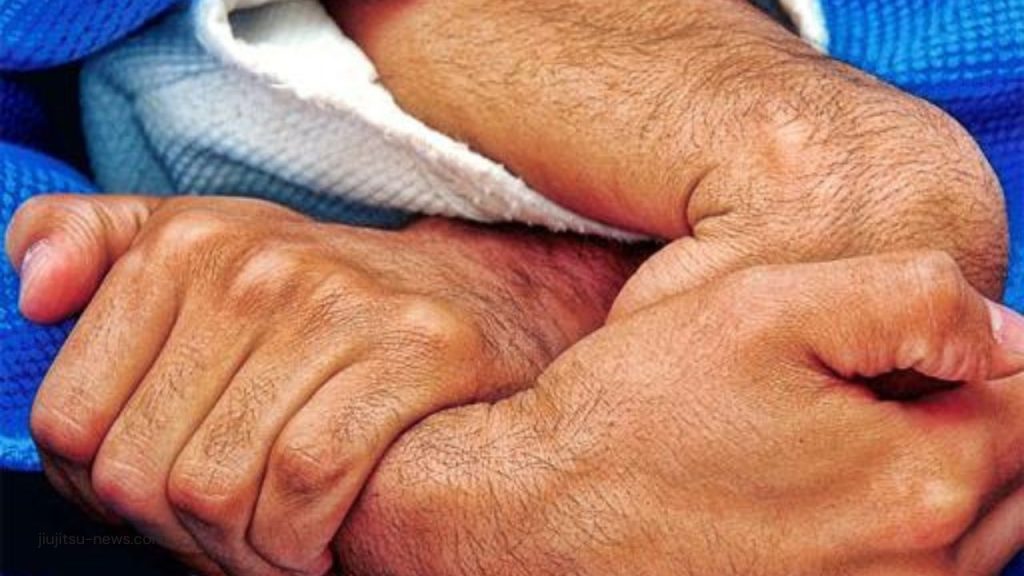
12. Wrist Lock – The Most Sneaky Submission
Strategic Value:
- Available from virtually every position
- Requires minimal setup time (can finish in under 1 second)
- Works best as opportunistic attack during transitions
- Particularly effective against posted hands
- Legal at all belt levels in most competition formats
- Often underestimated, leading to surprise submissions
The wristlock may have originated from martial arts like Aikido, Hapkido, and Aiki-Jitsu, but it has found a permanent home in Brazilian jiu-jitsu as one of the most sneaky and straightforward submissions available. Unlike techniques requiring complex setups, wrist locks can appear instantly when opponents make small positioning errors.
Wrist locks attack the small joints of the wrist, applying rotational or bending force that creates immediate pain and potential ligament damage. While sometimes dismissed as “dirty” or lower-percentage techniques, top-level competitors successfully employ wrist locks when opponents least expect them.
High Percentage Wrist Lock Scenarios
- Posted Hands in Guard: When opponent posts hands inside your guard, rotate their wrist inward while controlling elbow
- During Guard Passes: As opponent passes, trap their posted hand and finish standing wrist lock
- From Turtle: Opponent reaches to establish grips, isolate wrist and apply pressure
- Standing Exchanges: During grip fighting, catch wrist in extended position and apply sudden torque
Specific success rate statistics for wrist locks are difficult to track as they’re often grouped with “other” submissions in competition data. However, their opportunistic nature means they appear when other submissions aren’t available, making them valuable additions to any practitioner’s arsenal.
Training Tip: Practice wrist locks slowly with willing training partners. The small joints of the wrist can suffer serious injury without proper care. Tap early and apply slowly—there’s no ego in protecting your training partner’s health.
 Effective Position Finisher
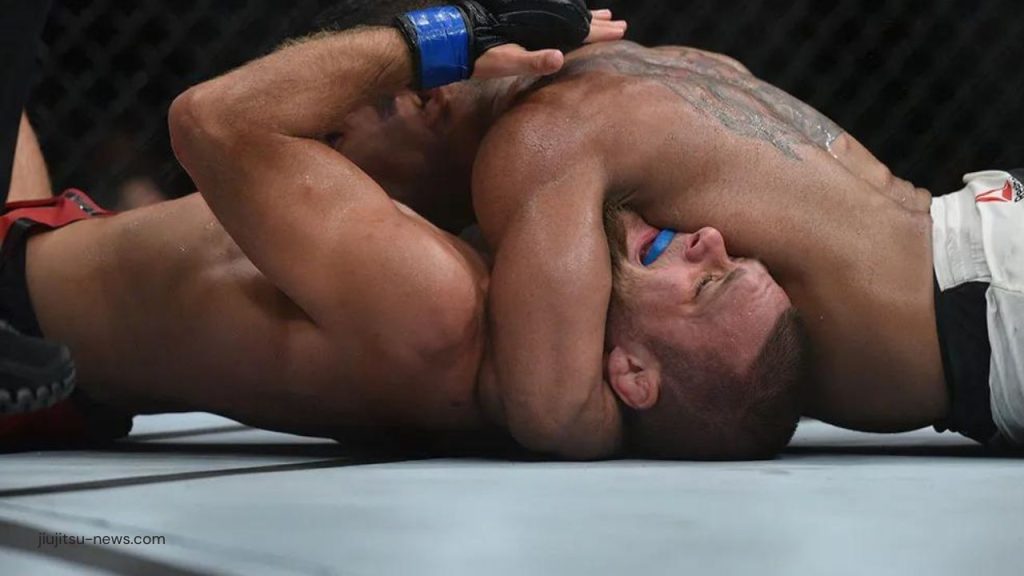
13. North-South Choke – The Underestimated Technique
Strategic Value:
- Available from north-south position (transitioning from side control)
- Works in both gi and no-gi
- Difficult to defend once properly locked
- Often catches opponents by surprise
- Provides positional control even if submission fails
The north-south choke is a superior submission technique ranking alongside the guillotine choke and triangle choke in terms of effectiveness. However, it receives significantly less attention in training rooms despite its reliable finishing potential.
This blood choke is applied from the north-south position (your head near opponent’s hips, their head near yours). You thread one arm under their neck while using your chest and shoulder to apply pressure from the opposite side, creating a powerful vice-like compression on their carotid arteries.
Executing the North-South Choke
- Transition to north-south from side control or during scrambles
- Slide one arm (usually your far arm) under opponent’s neck, palm down
- Bring your other arm over their back/shoulder
- Lock your hands together in various grip configurations
- Drive your chest/shoulder down on the opposite side of their neck
- Walk your knees toward their head to increase pressure angle
The north-south position itself offers numerous attack options beyond the choke—arm-locks, shoulder locks, and transitions to mount or back control. This makes learning to work effectively from north-south valuable even if the choke itself doesn’t finish.
Many practitioners overlook north-south opportunities because the position feels less stable than side control or mount. However, with proper weight distribution and chest pressure, north-south provides excellent control and finishing options that savvy grapplers exploit.
14. Clock Choke – The Turtle Position Specialist
Strategic Value:
- Applied when opponent turtles (hands and knees defensive position)
- Requires gi for collar grip
- Can be applied from side control, mount, or guard with modifications
- Named for the circular “clock” motion used during execution
- Forces opponent to make difficult defensive choices
The clock choke is one of the sneakiest gi submissions in Brazilian jiu-jitsu. This technique is typically applied when your opponent is in turtle position (on hands and knees), making it an essential weapon for any gi practitioner.
The submission gets its name from the circular “walking” motion you perform around your opponent’s head—moving like hands on a clock face from 12 o’clock to 9 o’clock (or vice versa depending on the side).
Clock Choke Setup and Finish
- Opponent is in turtle position; you’re behind/above them
- Feed your hand deep into their far collar (four fingers inside)
- Secure the collar grip tightly at their neck
- Post your free hand on the mat for base
- Begin walking your feet in a circular motion around their head toward the choking side
- As you “walk the clock,” your body weight applies increasing pressure to the choke
- Drive your chest/shoulder down on the back of their head to complete the choke
What makes the clock choke particularly effective is the dilemma it creates for the defending opponent. Attempting to roll away tightens the choke due to your circular motion. Staying in turtle allows you to complete the walking motion. Posting an arm to stop your movement opens opportunities for armlocks or back takes.
Advanced practitioners apply clock chokes from various positions including side control and mount by first forcing the opponent into a turtle-like position where the collar grip and circular motion become available.
15. Loop Choke – The Counter-Attack Specialist
Strategic Value:
- Available from guard (bottom) or while passing (top)
- Uses opponent’s forward pressure against them
- Requires gi for lapel control
- Can be set up during guard passing sequences
- Often catches opponents completely by surprise
The loop choke is one of the top jiu-jitsu submissions that should be learned as soon as you start training. It qualifies as one of the most basic yet valuable chokes in grappling, working effectively in both offensive and defensive scenarios.
This gi choke uses a looping motion of the lapel around the opponent’s neck, combined with pressure from your shoulder or chest. The “loop” refers to how you thread your hand inside the collar, creating a circular choking mechanism that tightens when the opponent pressures forward.
Loop Choke from Guard (Most Common)
- Opponent is in your closed guard, posturing up or leaning forward
- Feed your hand (same side as their leaning direction) deep into their opposite collar
- Your palm faces you, thumb inside the collar, gripping near their neck
- With your free hand, grab their same-side sleeve or wrist
- Pull them forward with the collar grip while pulling their arm across
- Duck your head slightly to the side opposite your collar grip
- Drive your shoulder forward as they pressure into you, completing the loop
The loop choke’s genius lies in using the opponent’s own weight and forward pressure to finish the submission. The harder they drive forward to pass your guard or establish position, the tighter the choke becomes. This makes it particularly effective against aggressive guard passers.
Loop chokes can also be applied from various positions including side control, half guard, and even while being passed. Practitioners who understand the mechanics can find loop choke opportunities throughout rolling sessions.
16. Baseball Bat Choke – The Grip-Based Gi Choke
Strategic Value:
- Executed from guard, side control, knee-on-belly, etc.
- Named for hand positioning resembling baseball bat grip
- Requires gi for lapel control
- Works from various angles and positions
- Particularly effective when transitioning between positions
The baseball bat choke is one of the most effective submission moves in gi training. This versatile technique can be executed from various positions including guard, side control, knee-on-belly, and during transitions, making it a valuable addition to any gi practitioner’s arsenal.
The submission gets its name from the distinctive hand positioning—both hands grip the same lapel like holding a baseball bat, creating powerful choking leverage when combined with proper body positioning.
Baseball Bat Choke from Knee-on-Belly (Most Common)
- Establish knee-on-belly position on opponent
- With your bottom hand, grip deep into their far collar (four fingers in, thumb outside)
- Your top hand grips the same collar, higher toward their shoulder
- Hands are stacked on the same collar like holding a baseball bat
- Begin rotating your body toward their head
- As you rotate, drive your forearms across their neck
- Complete the rotation until you’re nearly perpendicular to their body, tightening the choke
The baseball bat choke’s effectiveness comes from the mechanical advantage of the two-on-one grip. With both hands controlling the same lapel, you generate enormous choking pressure that’s extremely difficult to defend against once the rotation begins.
Advanced variations exist from bottom positions (closed guard, open guard) where you can catch opponents leaning forward or attempting to pass. The key in all variations is establishing both grips on the same collar before initiating the choking motion.
17. Standing/Standing Exchanges Submissions
While we’ve covered the main submissions in detail, several techniques deserve mention for their effectiveness in specific contexts:
D’arce Choke (Brabo Choke)
- 11.11% success rate (2/18 attempts)
- 5% of UFC 2024 submissions (4 out of 83 total)
- Particularly effective from top position during scrambles
- Works excellently in no-gi when opponent turtles or shoots takedowns
Toe Hold
- 10.67% success rate (8/75 attempts)
- Lower success rate but available from advantageous leg entanglement positions
- Legal in advanced no-gi; illegal in gi at most levels
- Often used to transition to more dominant positions
Anaconda Choke
- 2% of UFC 2024 submissions
- ~35% loss of consciousness rate (highest in UFC)
- Similar mechanics to D’arce but with different hand positioning
- Extremely effective when properly locked
Face Crank/Neck Crank
- 8.5% of UFC 2024 submissions (7 out of 83 total)
- Technically not a “choke” but causes submission through spinal pressure
- Often appears when chokes are defended but position remains dominant
- Controversial in some training environments due to injury risk
These supplementary techniques round out a complete submission game. While not as frequently successful as the top-tier submissions, they provide important offensive options from specific positions and situations.
BJJ Submission Success Rates: Complete Comparison Table
| Submission | Success Rate | % of All Submissions | Best Context |
|---|---|---|---|
| Bow and Arrow Choke | 89% | 2.46% | Gi – Back Control |
| Cross Collar Choke | 75.76% | 3.75% | Gi – Multiple Positions |
| Armbar | 49.64% | 19.49% | Gi & No-Gi – All Positions |
| Ezekiel Choke | 47.37% | 2.30% | Gi & No-Gi – Mount |
| Rear Naked Choke | 42.42% | 14.42% | No-Gi – Back Control |
| Triangle Choke | 38% | 9.49% | Gi & No-Gi – Guard |
| Heel Hook (Inside) | 34.85% | 1.90% | No-Gi – Leg Entanglement |
| Arm Triangle | 21.74% | 3.24% | Gi & No-Gi – Side Control |
| Heel Hook (Total) | 20% | 5.50% | No-Gi – Leg Entanglement |
| Heel Hook (Outside) | 14.08% | 1.59% | No-Gi – Leg Entanglement |
| Omoplata | 12.12% | 0.44% | Gi – Guard (Sweep Tool) |
| D’arce Choke | 11.11% | 0.24% | No-Gi – Top Scrambles |
| Toe Hold | 10.67% | 0.99% | No-Gi – Leg Entanglement |
| Guillotine Choke | 9.52% | 6.59% | No-Gi – Standing/Guard |
| Kimura | Varies (55-85%) | 6.00% | Gi & No-Gi – Multiple (Control Tool) |
Data Source: Statistics compiled from analysis of 7,567 submissions across IBJJF World Championships 2019-2023, ADCC 2022-2024, UFC 2024 (83 submissions across 517 fights), and professional no-gi competitions 2022-2024. Sample sizes vary by technique—percentages represent best available competitive data.
Conclusion: Building a Data-Driven Submission Game
Mastering Brazilian Jiu-Jitsu submissions is not just advantageous—it’s imperative for success in grappling. The art of submission can turn the tide of any match, providing instant triumph and a deep sense of satisfaction that few sports offer.
Throughout this comprehensive guide, we’ve explored 17 submission techniques backed by competition data from the highest levels of BJJ, ADCC, and MMA. From the dominant rear naked choke (45% of IBJJF Worlds finishes) to the devastating bow and arrow choke (89% success rate), each technique offers unique strategic value when applied correctly.
Key Takeaways for Developing Your Submission Game
📊 Prioritize High-Percentage Techniques
Focus training time on submissions with proven success rates: RNC (42%), armbar (50%), cross collar chokes (76%), and triangle (38%). These form the backbone of elite-level submission arsenals.
🎯 Context Matters
No submission works equally well in all contexts. Collar chokes dominate gi competition (75% success), while heel hooks excel in no-gi (20-35% depending on variation). RNC thrives in MMA (34% of UFC finishes) due to back control dominance.
🔄 Systems Beat Single Techniques
The most effective grapplers chain submissions together. Failed armbars transition to triangles; Kimura grips lead to sweeps and back takes; omoplata control creates multiple attacking options. Train submission systems, not isolated techniques.
📈 Skill Level Impacts Success
Advanced practitioners finish armbars at 75% vs 55% for beginners. The techniques don’t change—execution quality, timing, and positional control make the difference. Consistent training compounds submission effectiveness over time.
⚠️ Low Success Rate ≠ Ineffective
The guillotine’s 9.5% BJJ success rate seems poor, yet it accounts for 17% of UFC submissions. Guillotines work excellently in MMA scrambles but face better defenses in pure grappling. Context determines effectiveness—not statistics alone.
Applying This Knowledge to Your Training
These statistics shouldn’t dictate your entire game. If you’re a lanky guard player with exceptional hip flexibility, triangle chokes and omoplatas may serve you better than average success rates suggest. Similarly, aggressive top players might find arm triangles and kimuras more accessible than statistical favorites.
However, understanding which techniques work most reliably at elite levels helps guide rational training allocation. If you’re spending 50% of submission practice on low-percentage techniques while neglecting high-percentage ones, you’re fighting uphill against competitive reality.
The Future of BJJ Submissions
Competition data from 2024-2025 reveals interesting trends:
- Leg Locks Rising: Heel hooks now account for 8% of ADCC submissions, double their percentage from five years ago
- Guillotine Declining: Attempt rates dropped from 0.6 per 15 minutes (early UFC) to 0.2 in 2024 as defenses improve
- Back Takes Prioritized: With RNC’s 45% IBJJF success rate, elite competitors increasingly focus on back exposure rather than forcing submissions from inferior positions
- Submission Rates Stable: Overall submission rates hover around 35-40% at elite levels—suggesting a balance between attacking and defensive evolution
In 2025, Brazilian Jiu-Jitsu is more dynamic than ever. Submission finishes are prioritized in competition scoring, with organizations like ADCC, CJI, and UFC Fight Pass Invitational rewarding aggressive submission hunting with bigger payouts and global attention.
Young athletes are being trained from day one to hunt for submissions rather than simply control positions. This marks a cultural shift in how BJJ is practiced and taught, emphasizing the attacking mentality that makes grappling exciting for both practitioners and spectators.
Start Your Submission Journey: Whether you’re a white belt learning your first armbar or a brown belt refining your heel hook system, understanding which submissions work—and why—accelerates your development. Train consistently, study competition footage, and remember that statistics guide training but don’t determine your individual game.
These 17 submission techniques form the backbone of modern Brazilian Jiu-Jitsu. Master them progressively, understand their statistical realities, and apply them strategically based on position, opponent, and context. Your submission game will naturally evolve from understanding what works at the highest levels.
Train smart, submit often, and let the data guide your journey from white to black belt.
OSS!