Essential BJJ Guard Positions: Build an Unbreakable Guard Game
From closed guard and half guard to De La Riva, butterfly, K-Guard, and 50/50—learn when to use each guard, why it works, and which styles it fits best.
Hey there! If you’re diving into Brazilian jiu-jitsu, you’ve got to mix it up to stay ahead of your rivals. One of the best ways to do that is to build a diverse guard game that works against pressure passers, leg lockers, and athletic scramblers alike.
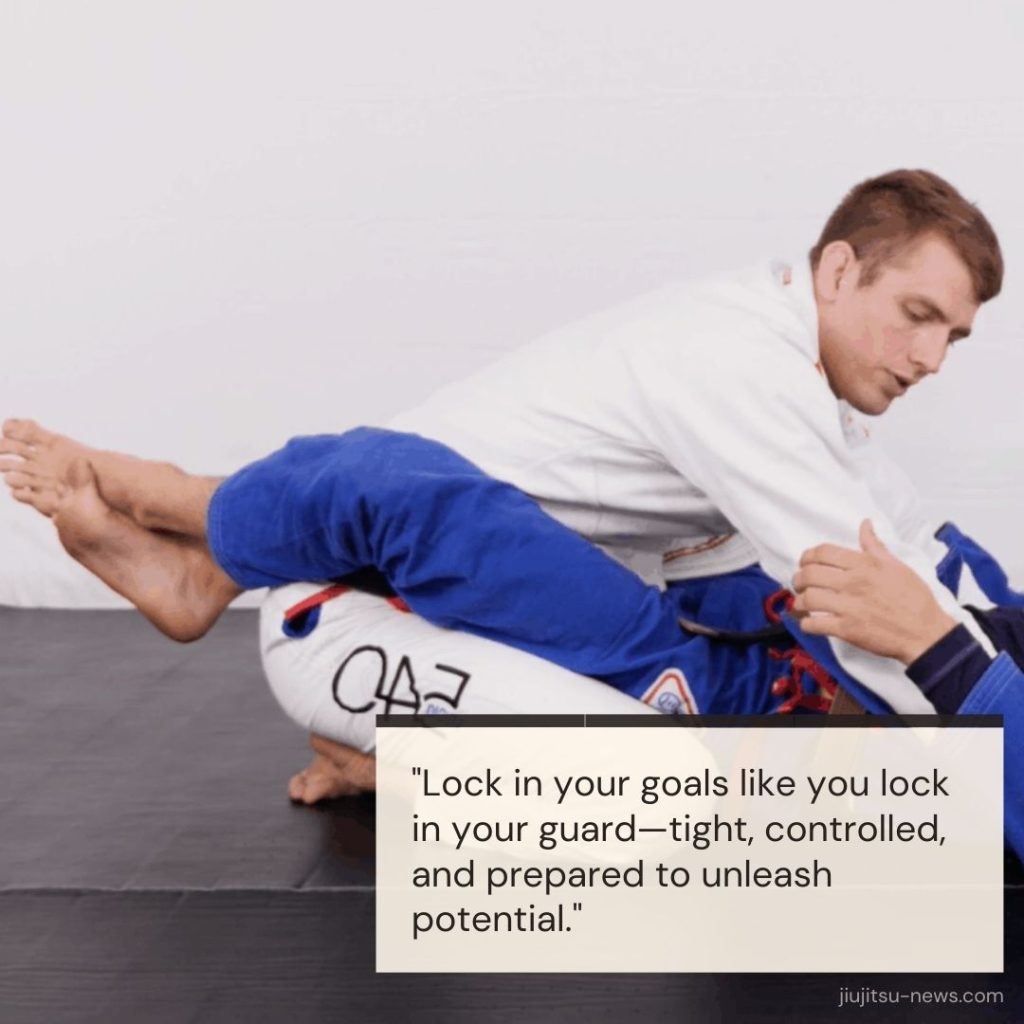
Think of your guard as your personal defense system. Weak guards leave you stuck, smashed, or passed. Strong guards let you slow aggressive opponents down, set traps, and dictate the pace of the roll—even off your back.
Good news: You don’t need to master every guard. You just need 1–2 “home base” guards and a couple of reliable transitions that match your body type, flexibility, and preferred style.
The Main Families of BJJ Guards
Most guards fall into a few big categories: closed guards (tight control), open guards (distance and kuzushi), and advanced underneath or leg-attack focused guards. Below are the core positions every grappler should know, with modern additions used at the highest competition levels.
Fundamental Guards Every Beginner Should Learn
 Fundamental
Gi & No-Gi
Fundamental
Gi & No-Gi
1. Closed Guard – Your First Home Base
The closed guard is often the first guard you learn and remains effective all the way to black belt. You lock your legs around your opponent’s waist, break their posture, and force them to fight out of your attacks instead of freely passing.
From closed guard you can attack the classic submission trio—armbar, triangle, and cross choke—or use hip bumps and pendulum sweeps to get on top. It also transitions smoothly into other guards such as high guard, rubber guard, and clamp-style positions.
Best Use Cases
- When opponents are on their knees and driving forward.
- When you want to slow the roll and force a more technical battle.
- Great for self-defense and MMA to control posture and limit strikes.
 Fundamental
Great vs Heavier Opponents
Fundamental
Great vs Heavier Opponents
2. Half Guard – From Survival to Weapon
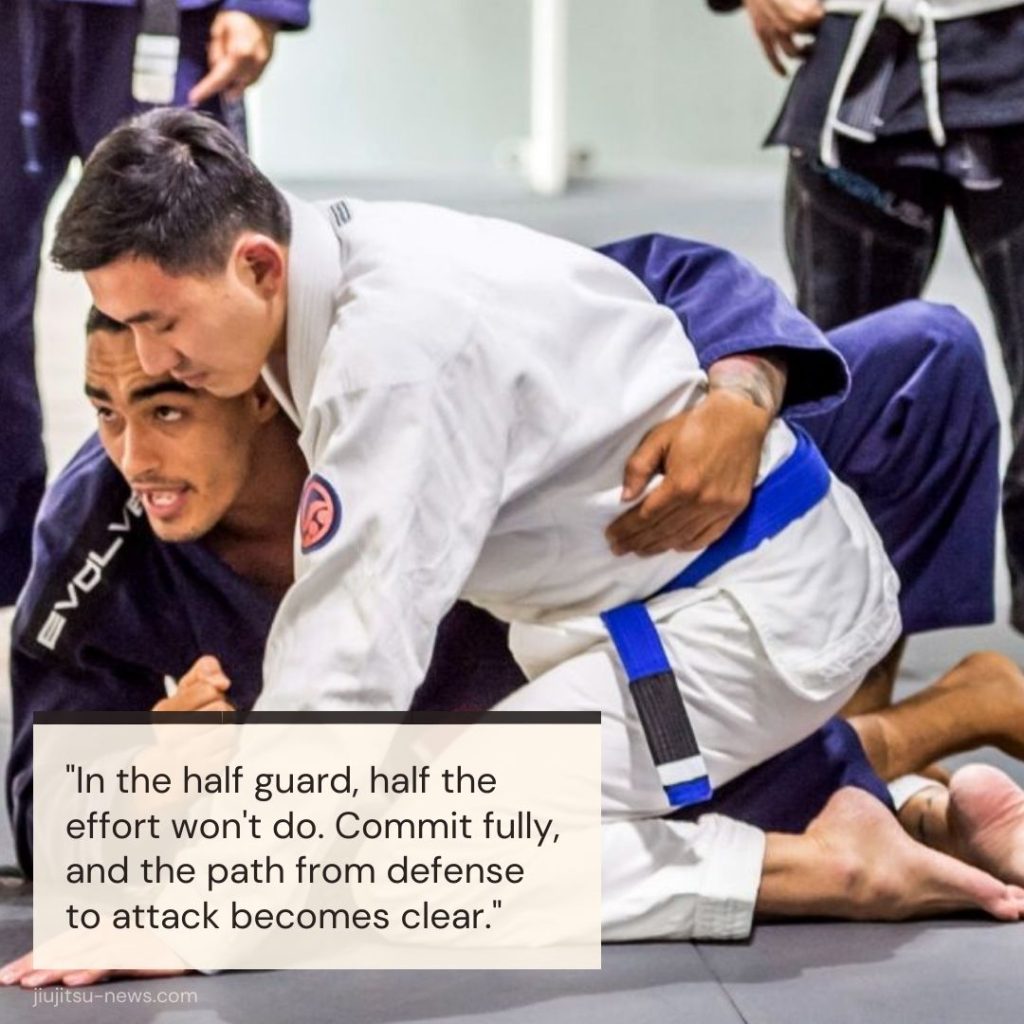
Half guard used to be considered a last-ditch defensive position, but modern BJJ turned it into one of the best sweeping and control hubs in the game. You trap one of your opponent’s legs and use your frames, underhooks, and knee shield to off-balance them and attack.
Styles like Z-Guard, Deep Half, and Knee Shield Half allow smaller grapplers to neutralize pressure and sweep bigger opponents without needing extreme flexibility.
Why You Should Learn Half Guard Early
- It is the most common “scramble” position when your guard is almost passed.
- Links directly to back takes, sweeps, and entries into X-Guard or leg entanglements.
- Works in gi, no-gi, and even MMA when used with proper frames and underhooks.
 Fundamental
Open Guard
Fundamental
Open Guard
3. Butterfly Guard – The Sweep Engine
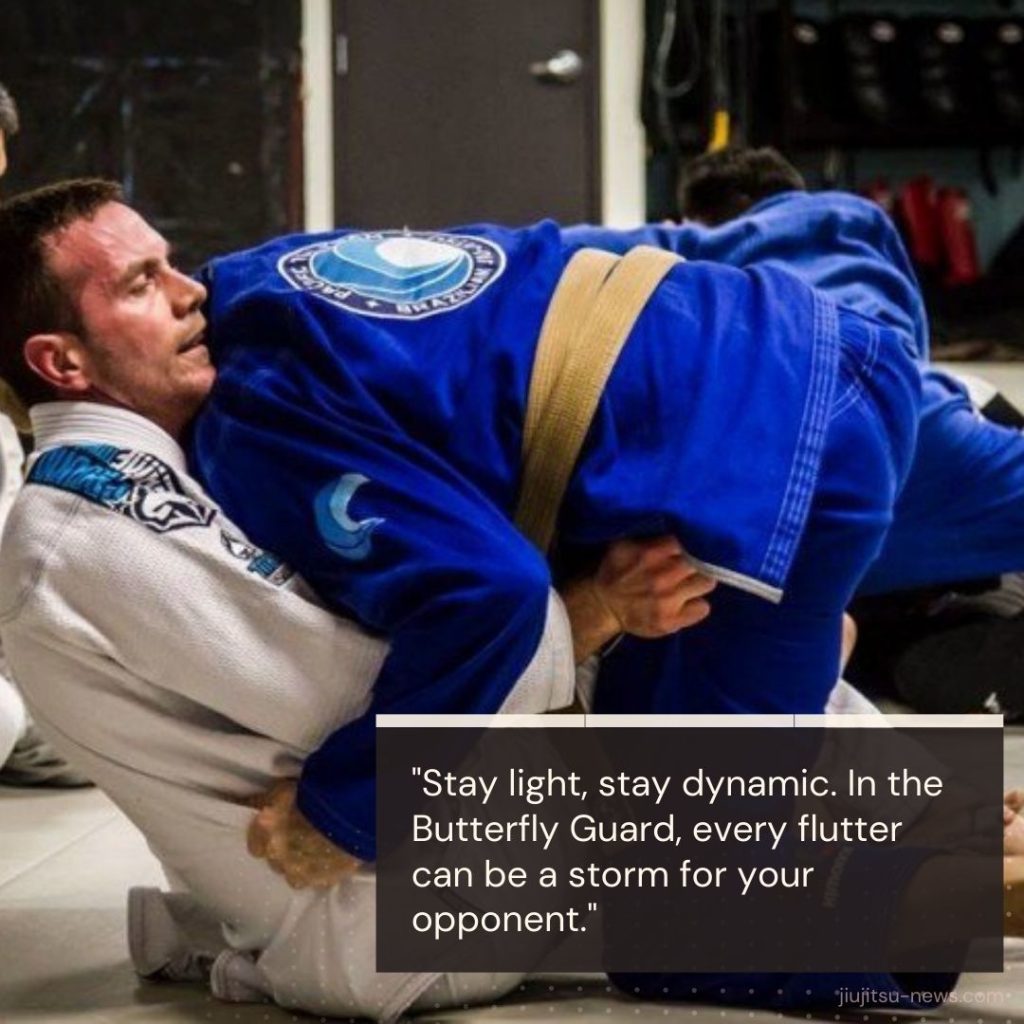
Butterfly guard is a seated open guard where your insteps hook inside your opponent’s thighs. It shines in no-gi and against pressure passers who like to drop their weight forward.
Used well, butterfly guard turns your legs into levers to elevate opponents, hit powerful angle changes, and enter X-Guard, Single-Leg X, or straight into leg entanglements.
Key Benefits
- Excellent for wrestlers and no-gi players who like to stay seated and mobile.
- Provides strong sweeping power even if you’re smaller or older.
- Connects naturally to guillotines, front headlocks, and leg locks.
 Open Guard
Grip-Heavy Gi Guard
Open Guard
Grip-Heavy Gi Guard
4. Spider Guard – Sleeve & Bicep Control
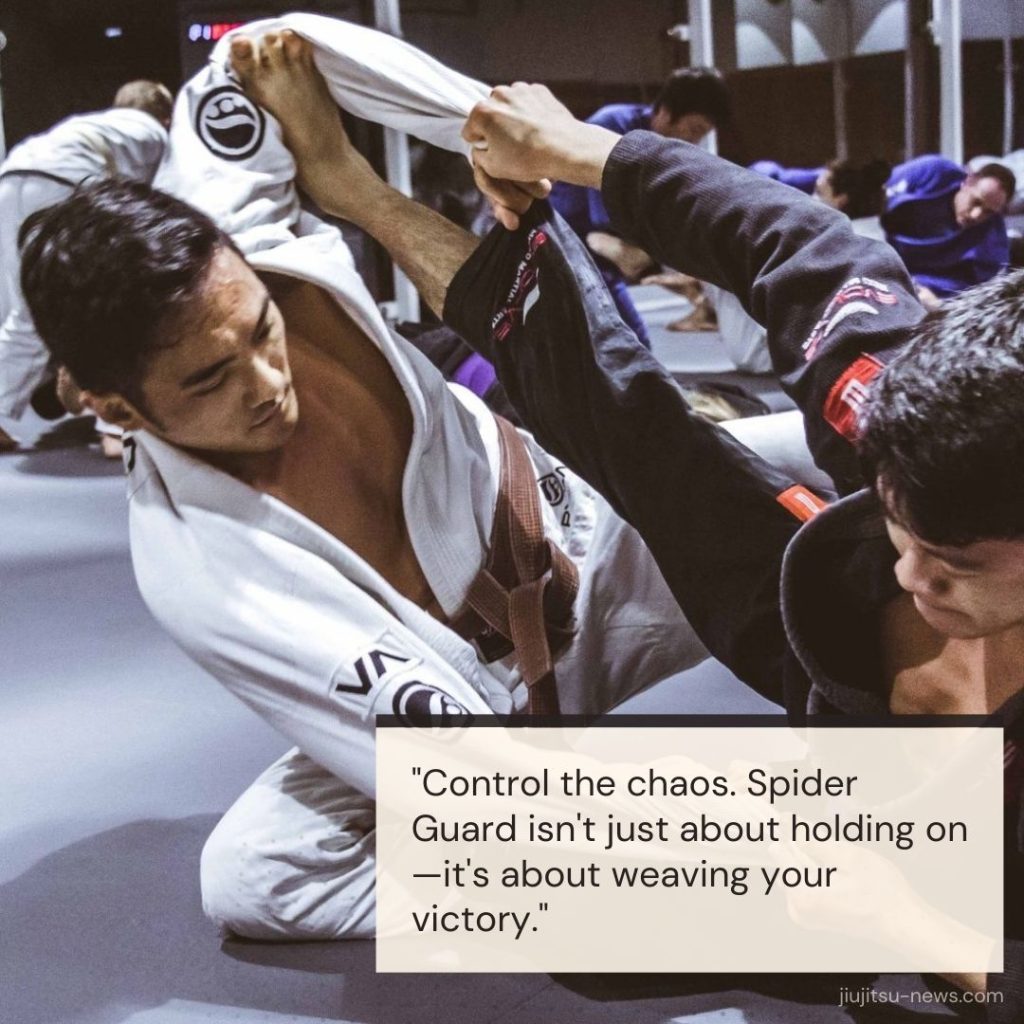
Spider guard is a classic gi open guard built around strong sleeve grips and foot placement on the opponent’s biceps. By stretching and bending their arms with your legs, you disrupt balance, kill passing pressure, and create constant off-balancing (kuzushi).
Because your legs are stronger than their arms, spider guard lets smaller players slow down aggressive passers and chain triangles, omoplatas, and sweeps with very little risk.
Why Spider Guard Works
- Double sleeve grips + feet in biceps give you full control over the opponent’s upper body posture.
- Excellent for setting up triangles, omoplatas, and collar–sleeve style attacks.
- Lasso variations add even more control and guard retention options.
 Open Guard
Standing Opponents
Open Guard
Standing Opponents
5. De La Riva Guard – The Outside Hook System
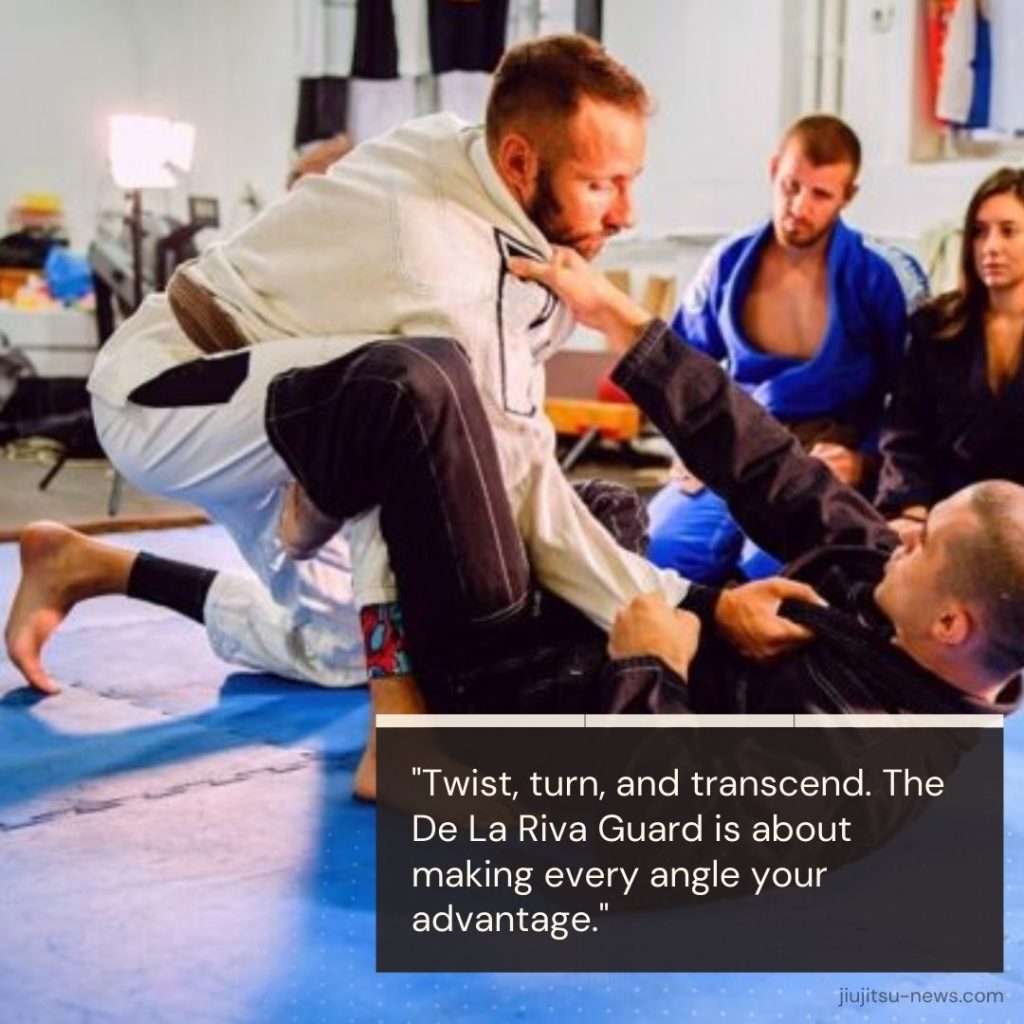
The De La Riva (DLR) guard uses an outside hook on your opponent’s lead leg combined with sleeve, ankle, or collar grips to off-balance them while they stand. It became a staple of modern sport BJJ thanks to Ricardo de la Riva and remains one of the main guards seen at high-level competition.
From DLR you can spin under for berimbolos, tip them over with hook sweeps, or threaten leg locks and back takes if they overreact.
Best Situations for DLR
- When opponents stand in your open guard and try to toreando or leg-drag.
- Great for lighter, flexible guard players who like angles and back takes.
- Most powerful in the gi due to strong collar and pant grips, but still useful no-gi for off-balancing and ankle locks.
 Open Guard
High Control Gi Guard
Open Guard
High Control Gi Guard
6. Lasso Guard – The Grip-Tangler
Lasso guard is a spider-guard style position where you thread your leg over and around your opponent’s arm while keeping a strong sleeve grip. This “lasso” wraps and traps their arm, making it extremely difficult for them to posture or freely move side to side.
Because one of their arms is essentially handcuffed, you can attack sweeps, back takes, and arm locks while staying very safe from pressure passes.
Why Lasso Is So Annoying to Pass
- Locks one arm in place and destroys posting ability and base.
- Excellent guard retention when opponents try to toreando or long-step.
- Combines well with collar–sleeve and spider guard for a complete gi open-guard system.
 Advanced
Underneath Guard
Advanced
Underneath Guard
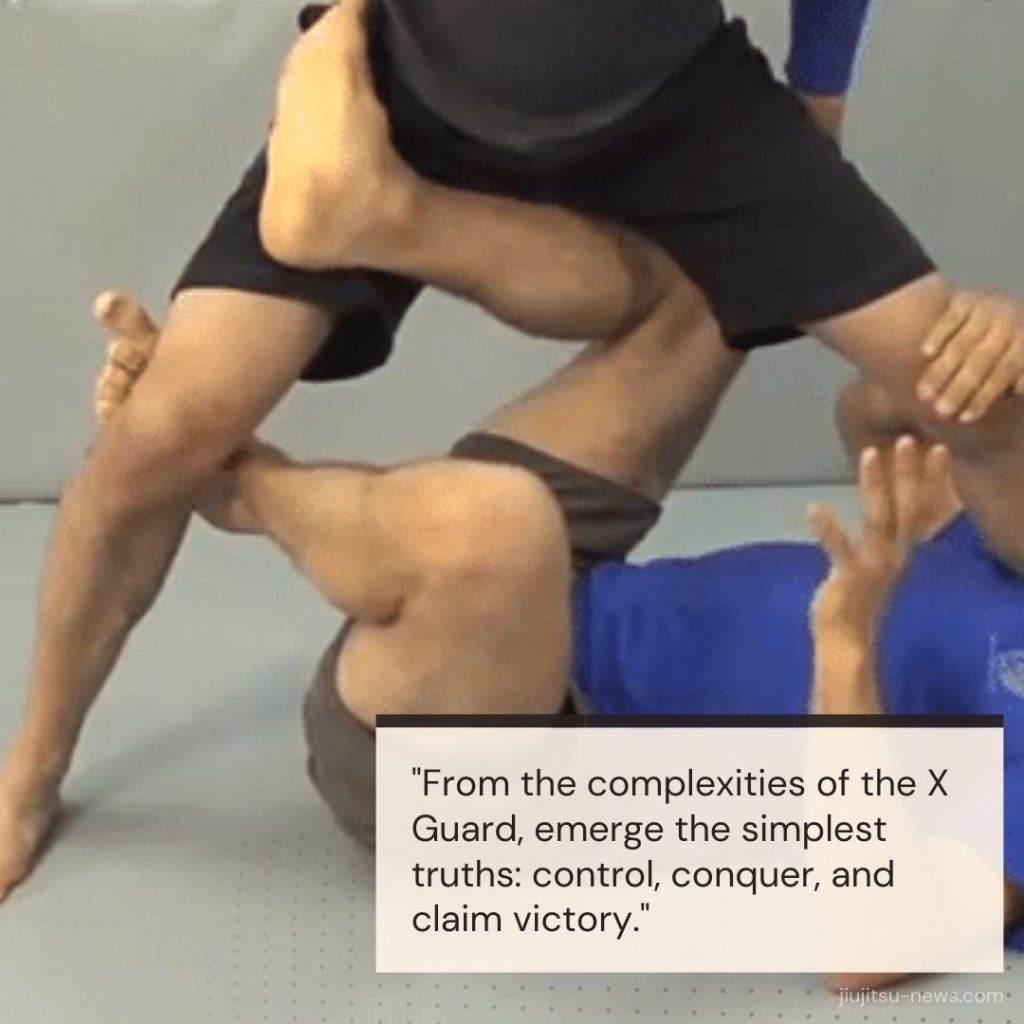
7. X-Guard – Underneath & Unstoppable Sweeps
X-Guard is an underneath guard where you elevate your opponent on top of your hips and use your legs in an “X” configuration around their leg. This completely destroys their base, making it very hard for them to stay standing.
Once you establish X-Guard, you can easily tip opponents in multiple directions, transition to Single-Leg X, or enter leg entanglements with extremely high sweep success.
Strengths of X-Guard
- Fantastic against standing passers and bigger opponents who rely on weight and balance.
- Leads directly to technical stand-up sweeps, back takes, and leg locks.
- Popular in no-gi due to strong off-balancing without needing gi grips.
 Advanced
Leg Attack Hub
Advanced
Leg Attack Hub
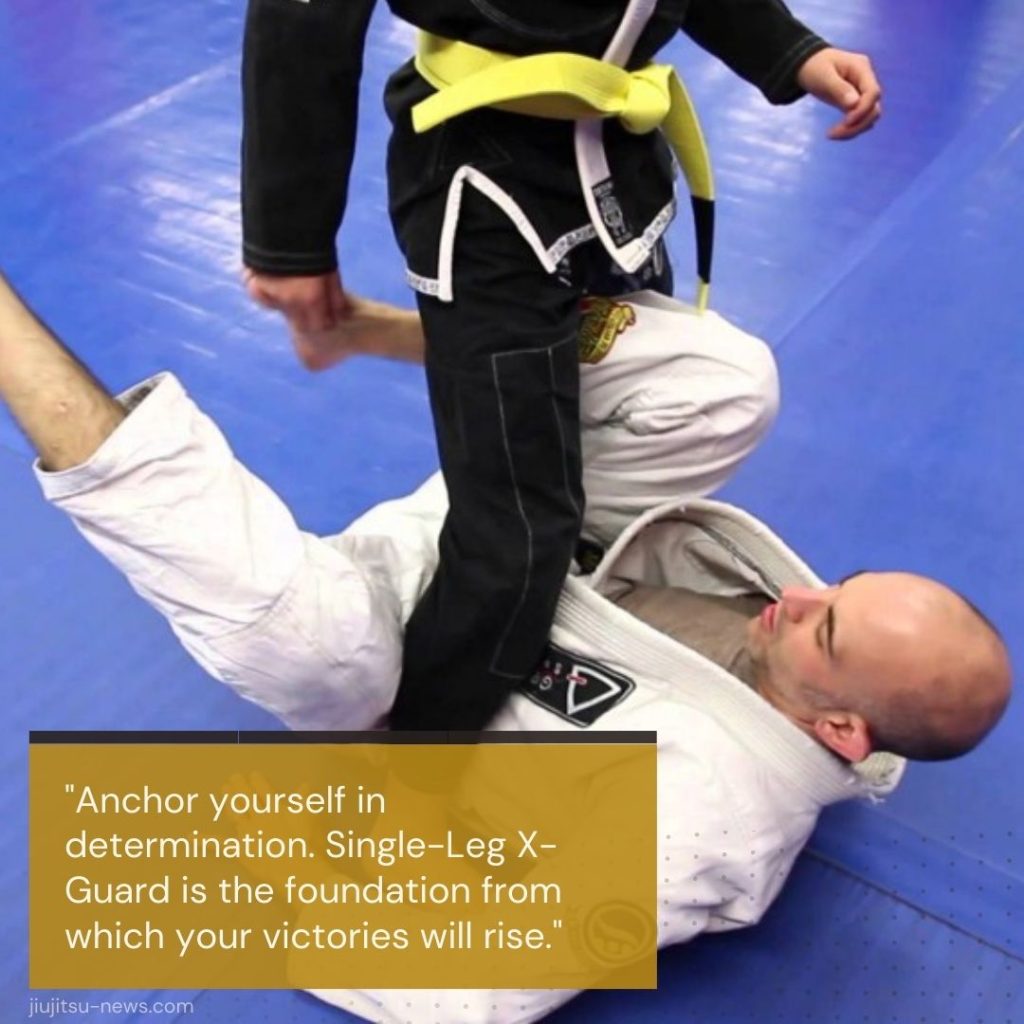
8. Single-Leg X (Ashi Garami) – Bridge to Leg Locks
Single-Leg X-Guard, also called Ashi Garami in leg-lock systems, isolates one of your opponent’s legs while you elevate and control their hip. It’s a powerful sweeping position and one of the cleanest entry points into straight ankle locks and other leg attacks.
For beginners, it’s often easier to learn than full X-Guard because the configuration is simpler while still giving strong control over one leg.
Use Single-Leg X When
- You’ve off-balanced a standing opponent from butterfly or sit-up guard.
- You want direct entries into straight ankle locks in gi or no-gi.
- You prefer to sweep and then immediately come up on a solid passing position.
 Advanced
Neutral Leg Entanglement
Advanced
Neutral Leg Entanglement
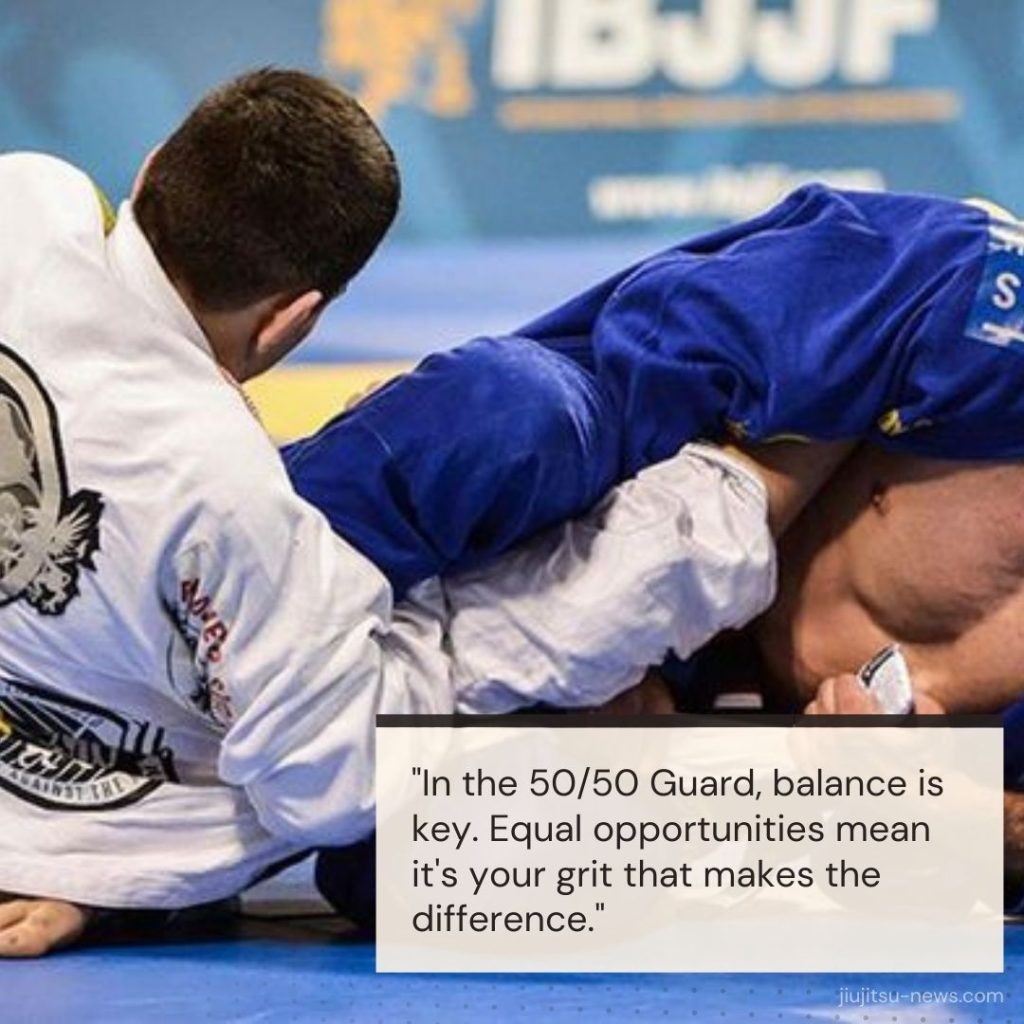
9. 50/50 Guard – Equal Opportunity Attack Zone
50/50 guard is a mirrored leg entanglement where both players share a similar position around each other’s legs. It’s “neutral” in theory, but in practice whoever understands the position better usually dominates with sweeps and leg locks.
In gi competition it is often used to control and chase advantages or points; in modern no-gi, it’s a key position for heel hooks and back takes.
Things to Know About 50/50
- Can be very controlling—but also stalling—if used defensively.
- Crucial to understand defensively now that leg locks are common at all levels.
- Great laboratory for learning pummeling and leg position battles safely.
 Advanced
Modern Meta
Advanced
Modern Meta
10. K-Guard – Modern Entry to Legs & Back
K-Guard is a modern open guard where your shin and knee frame up between your hip and the opponent’s hip, forming a “K” shape with your body. From there you slide under their center of gravity and create direct entries into leg locks or matrix-style back takes.
It exploded in popularity after Lachlan Giles and others used it in ADCC and high-level no-gi events to finish much larger opponents with inside heel hooks.
Why K-Guard Is Everywhere Now
- Super dynamic: you can attack legs, upper body, or transition to back exposure.
- Works in gi and no-gi, but especially strong in modern leg-lock focused games.
- Pairs naturally with seated guard, reverse De La Riva, and seated butterfly positions.
 Advanced
High Flexibility
Advanced
High Flexibility
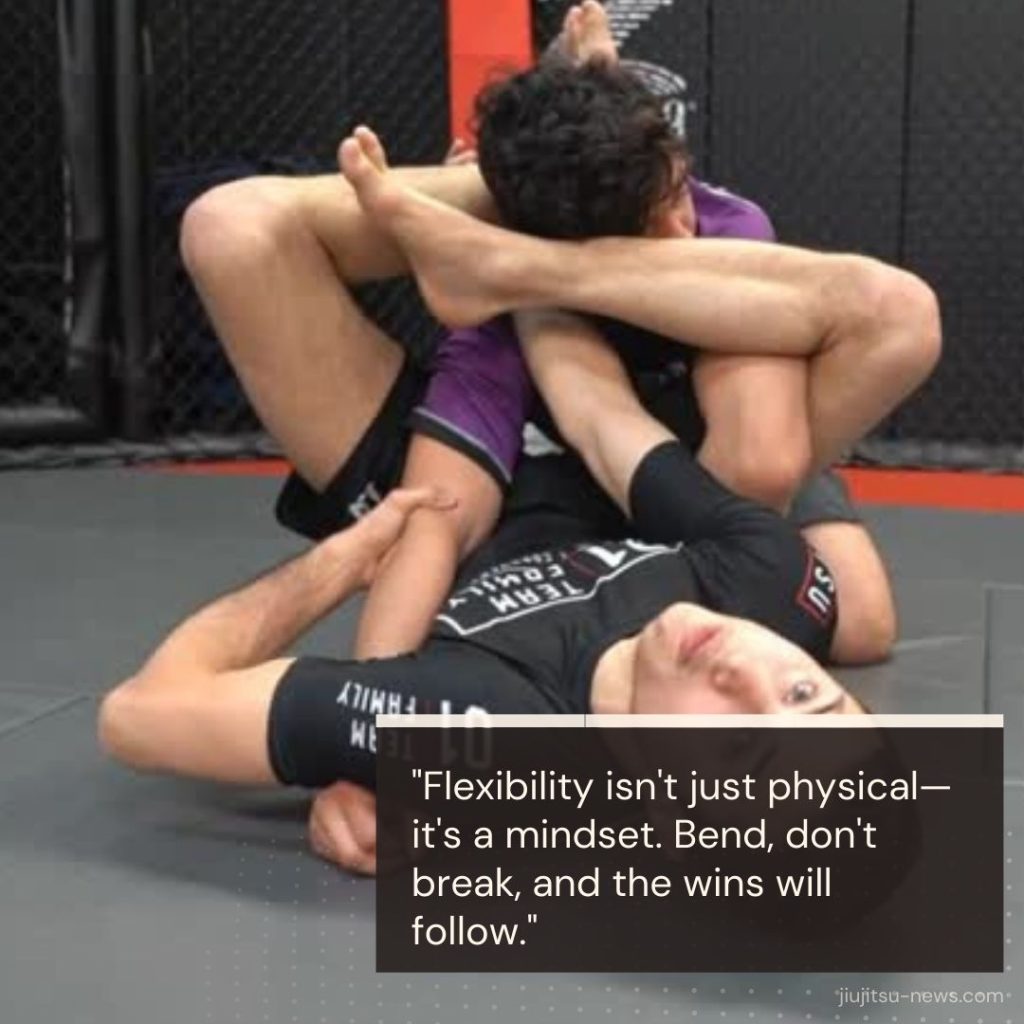
11. Rubber Guard – Closed Guard on Steroids
Rubber guard is a high-control guard popularized in no-gi and MMA where you bring your leg high over your opponent’s back and lock their posture with your own shin and arms. It’s a powerful way to shut down strikes and build direct paths to triangles, omoplatas, and gogoplatas.
Because it requires significant hip mobility and knee health, it’s not ideal for every body type—but if it fits you, it can be a nightmare to deal with on top.
Who Rubber Guard Suits Best
- Flexible grapplers who like to attack from closed guard in no-gi or MMA.
- Players who enjoy clamp-style control and chaining upper-body submissions.
- Not recommended if you have existing knee or hip issues—prioritize longevity first.
 Advanced
Rubber-Guard Alternative
Advanced
Rubber-Guard Alternative
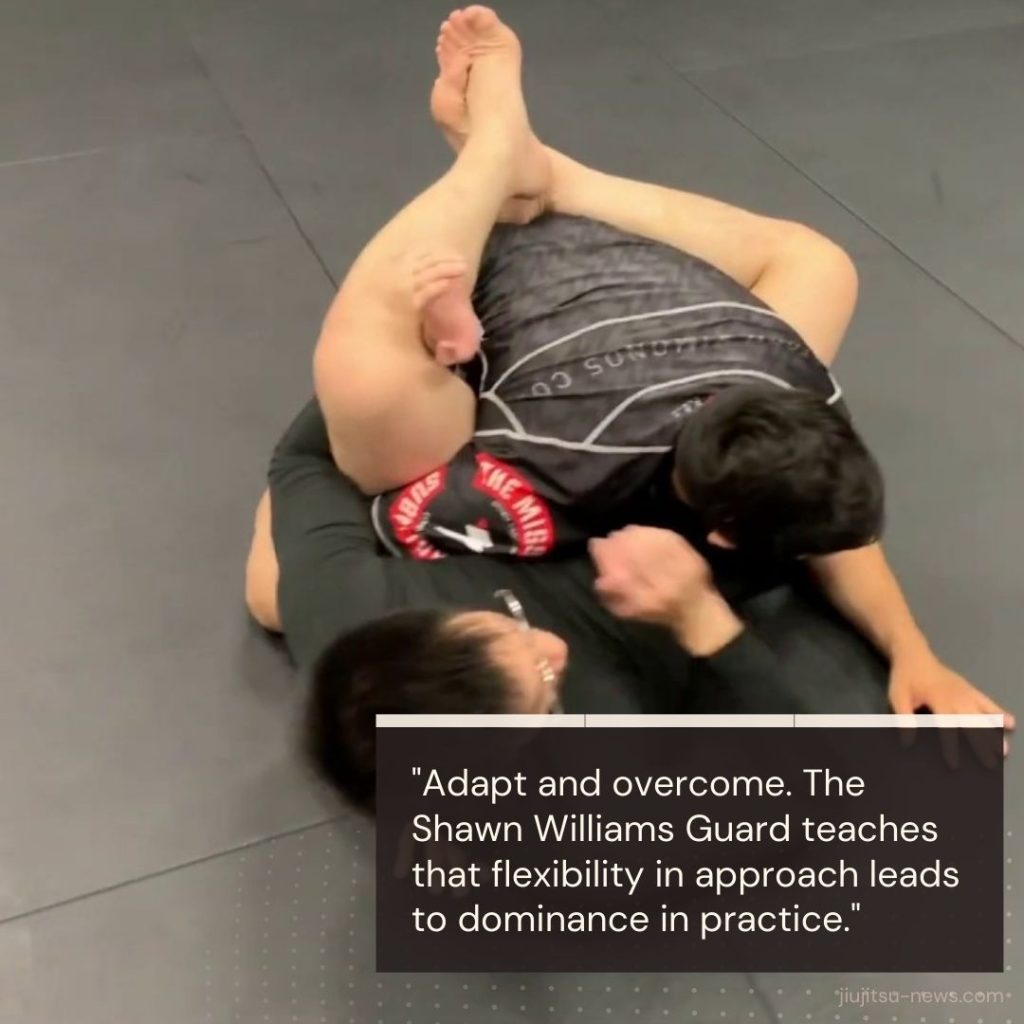
12. Shawn Williams Guard – Rubber Guard Without the Knees
Shawn Williams Guard is a clever hybrid between closed guard, high guard, and rubber guard, but with hip and knee angles that are friendlier on the body. You angle your hips off to the side, trap their shoulder with your leg, and use your arms to reinforce the position.
It offers many of the same triangle and omoplata threats as rubber guard while being more accessible for older grapplers or those without extreme flexibility.
Why Add Shawn Williams Guard
- Gives you strong posture control from closed/high guard without forcing extreme hip rotation.
- Great bridge between classic closed guard and more modern clamp-style games.
- Lets you threaten submissions safely while keeping a relatively conservative body position.
How to Get the Best Out of Your Jiu-Jitsu
Getting the most from jiu-jitsu isn’t about memorizing hundreds of techniques; it’s about consistent, focused training and staying healthy enough to train for years. Aim for 2–4 sessions per week, and instead of chasing every new guard you see on Instagram, build your game around 1–2 “home base” guards and a couple of passes that fit your body type and personality.
Use specific training and positional sparring to put yourself in your key guards over and over, treating each round as a chance to refine timing, grips, and reactions rather than just “winning.” Off the mats, support your training with basic strength work, good sleep, and simple nutrition habits so you arrive to class with energy, recover faster, and avoid the boom‑and‑bust cycle of overtraining and injury.
Conclusion
Every guard in this guide—closed, half, butterfly, spider, De La Riva, lasso, X, Single-Leg X, 50/50, K-Guard, rubber guard, and Shawn Williams guard—offers unique ways to control, off-balance, and submit your opponents. You don’t need all of them at once; you just need a small set you understand deeply and can reliably reach in live rolls.
Build your game around guards that suit your body type and goals, stay curious, and prioritize longevity by tapping early and training smart. Do that, and jiu-jitsu will reward you with better performance, more confidence on the mats, and a skill set you can keep sharpening for decades.